5 Simple Mistakes That Destroy Your Car Engine in Extreme Heat — And Cost Thousands
As summer heat intensifies, car engines face the risk of severe overheating caused by neglected maintenance. This article highlights common errors like replacing coolant with plain water and ignoring radiator cleaning, along with failing to inspect the entire cooling system. It emphasizes that monitoring coolant levels, replacing it on schedule, and cleaning the radiator protect against costly failures. Early warning signs like a rising temperature gauge require immediate stops to prevent permanent engine damage.
Engine temperature skyrockets during Egyptian summers. The result is often a hefty repair bill that could have been avoided. Continuing to drive with a rising temperature gauge turns a minor cooling system fault into a full-blown catastrophe, permanently damaging crankshafts, pistons, and cylinder heads. The good news is that most of these failures are preventable with simple attention and routine maintenance.
Why Car Engines Overheat in Summer
Increased strain on the cooling system takes the lead, especially when components like the radiator, hoses, or water pump have degraded efficiency. Dust and debris accumulating on the radiator's surface block airflow, preventing the natural heat dissipation process from working properly.
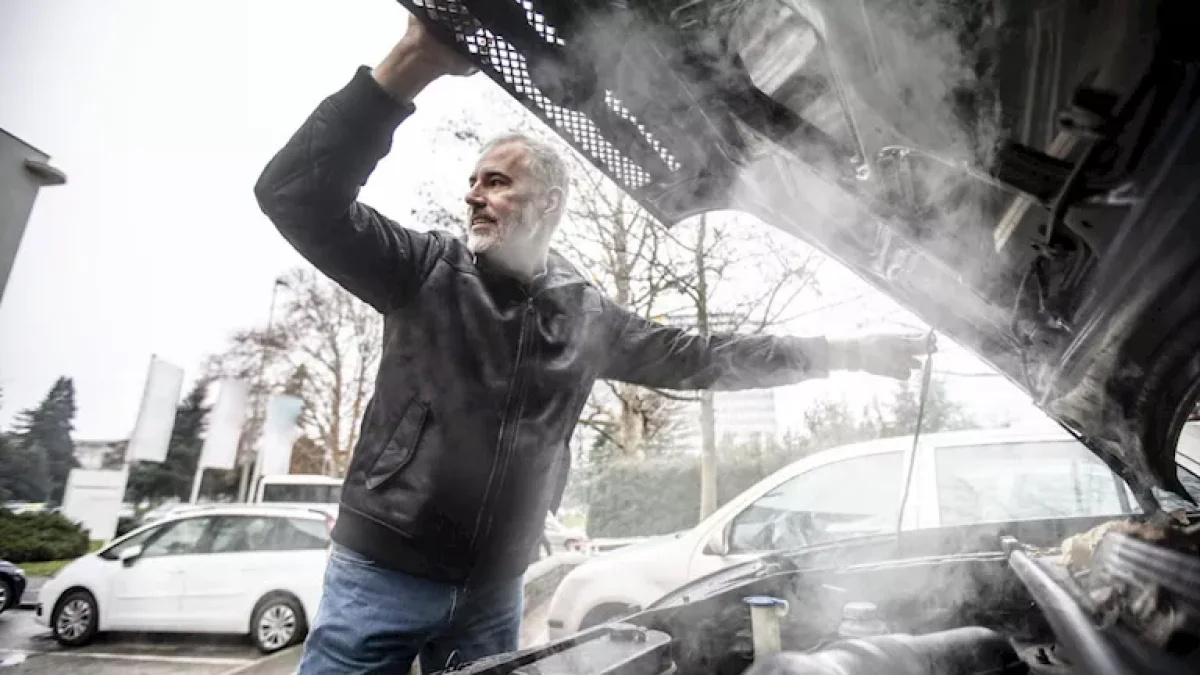
Do not wait until the warning light illuminates on your dashboard. Extreme heat multiplies the load on your engine. Long highway drives over bridges and expressways amplify the risk even further. Early signs — such as a creeping temperature needle or steam rising from under the hood — demand immediate stops and a full inspection.
Common Mistakes That Ruin Engines During Heatwaves
Ignoring the coolant level in the reservoir remains the biggest mistake of all, as it should always sit at the manufacturer's recommended mark. Scheduled coolant replacement isn't an optional luxury; it's a necessity that preserves cooling efficiency and protects the entire system from corrosion and rust buildup.
Substituting Coolant With Regular Water
Plain water fails to provide the elevated boiling point that specialized coolant formulations offer. It also carries dissolved salts that create scale deposits inside the cooling circuit, lacking the anti-corrosion and anti-rust additives entirely. The outcome? A gradual clogging process and a prematurely failing radiator.
Neglecting Radiator Cleaning
Accumulated dirt, dead insects, and fallen leaves can cover the radiator's surface, severely limiting its ability to expel heat. Compressed air helps clean it effectively, but the technique matters — direct the air gently across the fins to avoid bending or damaging them, as bent fins reduce cooling capacity by a significant margin.
Full Cooling System Inspection Is the Ultimate Solution
A comprehensive check goes beyond just the radiator, covering hoses, water pump, and cooling fans. Any recurring coolant loss or an unusual temperature spike — unrelated to the weather — acts as a red flag that demands immediate professional attention. The Cairo used car market always witnesses seasonal surges in demand for used Nissan prices following every heatwave, because drivers finally realize the difference between fixing a clogged radiator and replacing a seized engine block entirely. Don't let a small oversight today turn into expenses surpassing the price of a brand-new Hyundai Elantra tomorrow. Addressing the danger early is the line between a simple repair costing hundreds and a full engine replacement costing thousands — check, clean. Replace your coolant on schedule, and drive safely all summer long.
Frequently Asked Questions
3 questions answered
Related News
View All News
Skoda Tops European Car Registrations in Egypt for September with 655 Vehicles
Skoda led European car registrations in Egypt for September with 655 vehicles, according to the Egyptian Compulsory Vehicle Insurance Pool report. Mercedes followed closely in second with 642 cars, just…
Your Tires Could Wear Out Early — 6 Daily Driving Habits That Shorten Tire Life
Tire lifespan depends directly on driver behavior and maintenance habits, not just manufacturing quality. The main culprits are incorrect air pressure, misaligned wheel angles, ignored wheel balancing, and aggressive acceleration…
Autumn Reveals Summer's Hidden Car Problems: 8 Essential Checks Before the Weather Turns
As temperatures drop in autumn, car problems concealed by summer heat begin to surface, especially battery, tire, wiper, and fluid issues. Experts from AAA and NHTSA recommend simple checks covering…

Egypt's State Information Service and Military Academy Sign Strategic Cooperation Protocol
Egypt's State Information Service, headed by Ambassador Alaa Youssef, signed a strategic cooperation protocol with the Military Academy for Higher and Strategic Studies, led by Major General Mohamed Mahmoud Awad.…
Pseudo-Experts in Egypt's Auto Market: How Paid Content Threatens Awareness and the Economy
A troubling phenomenon has emerged in Egypt's automotive market: self-proclaimed experts who use social media to spread inaccurate information for financial gain. These individuals receive cars from dealerships to park…