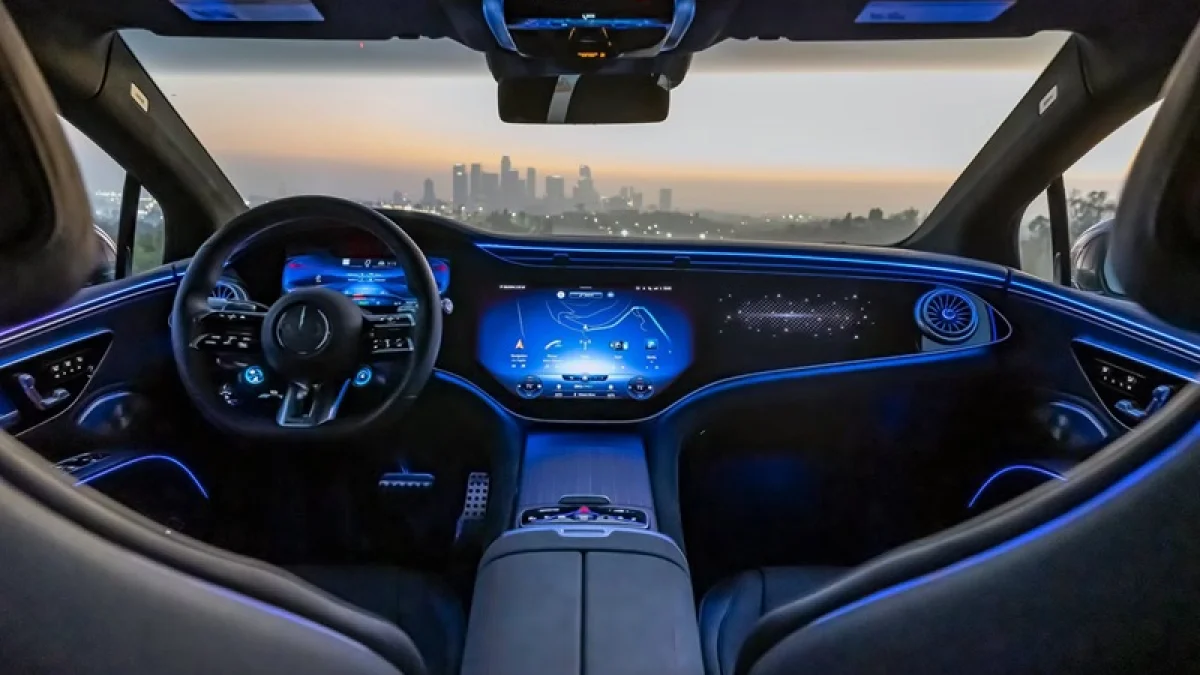
Buttons vs. Screens: BMW and Hyundai Split on the Best Way to Control Cars
A new battle is brewing in the auto industry over the best way to control vehicles, with BMW adopting a digital-first approach relying on screens, touch, and voice commands in new models like the iX3. Hyundai, meanwhile, maintains physical buttons for essential functions to ensure ease of access. BMW shows flexibility by keeping some steering wheel controls as a middle-ground solution. This divide reflects differing visions for the future driving experience, with the driver as the ultimate judge.
The battle in the auto industry is no longer just about electric motors or battery range. The fight has moved closer to the driver — right onto the dashboard itself. BMW is betting on a future dominated by screens, touch controls. Voice commands, while Hyundai insists on keeping traditional buttons and switches for functions drivers use constantly.
Both companies are pushing hard toward software-defined vehicles and artificial intelligence. Yet they disagree fundamentally on how drivers should interact with all this technology. The choice between buttons and screens isn't merely aesthetic — it's a philosophical decision defining each brand's identity for years to come.
BMW Bets on Touch and Voice
BMW is betting that the way users interact with smartphones will increasingly translate to their cars. This is visible in the new generation of the Panoramic iDrive system used in its BMW Neue Klasse models. Vikram Pawah, CEO of BMW Group Australia, said younger customers — especially those under 45 — are more receptive to screens and voice commands over a large number of traditional buttons.
This philosophy is clear in new models like the iX3, where functions including climate control have moved to the central screen. The reliance on the voice assistant and digital interface is growing significantly. But the question remains: can physical buttons be completely eliminated?
Not Getting Rid of Buttons Entirely
Despite the obvious digital direction, BMW hasn't decided to remove all buttons. The new system retains physical controls on the steering wheel. That the company describes as haptic buttons that give the driver a tangible response during use. The Panoramic iDrive also combines a touch-sensitive central screen, an extended display below the windshield, an optional 3D head-up display, plus voice commands and buttons on the steering wheel. In other words, BMW isn't betting on the screen alone, but it's shifting a larger share of functions that once had dedicated switches into the digital world.
Hyundai Goes in the Opposite Direction
Hyundai, on the other side, believes digital progress shouldn't come at the expense of easy access to essential functions. This stance means keeping physical buttons even in the newest generation of infotainment systems. The logic is straightforward: drivers need to adjust climate or volume without taking their eyes off the road.
The comparison between the two philosophies reveals a real split in the global market. BMW sees a fully digital future, while Hyundai believes core functions deserve physical controls. Each path offers a different driving experience. Ultimately the driver decides which approach is more comfortable and safer.
Frequently Asked Questions
3 questions answered
Related News
View All News
Skoda Tops European Car Registrations in Egypt for September with 655 Vehicles
Skoda led European car registrations in Egypt for September with 655 vehicles, according to the Egyptian Compulsory Vehicle Insurance Pool report. Mercedes followed closely in second with 642 cars, just…
Your Tires Could Wear Out Early — 6 Daily Driving Habits That Shorten Tire Life
Tire lifespan depends directly on driver behavior and maintenance habits, not just manufacturing quality. The main culprits are incorrect air pressure, misaligned wheel angles, ignored wheel balancing, and aggressive acceleration…
Autumn Reveals Summer's Hidden Car Problems: 8 Essential Checks Before the Weather Turns
As temperatures drop in autumn, car problems concealed by summer heat begin to surface, especially battery, tire, wiper, and fluid issues. Experts from AAA and NHTSA recommend simple checks covering…

Egypt's State Information Service and Military Academy Sign Strategic Cooperation Protocol
Egypt's State Information Service, headed by Ambassador Alaa Youssef, signed a strategic cooperation protocol with the Military Academy for Higher and Strategic Studies, led by Major General Mohamed Mahmoud Awad.…
Pseudo-Experts in Egypt's Auto Market: How Paid Content Threatens Awareness and the Economy
A troubling phenomenon has emerged in Egypt's automotive market: self-proclaimed experts who use social media to spread inaccurate information for financial gain. These individuals receive cars from dealerships to park…