Chevrolet Optra (2005-2014) Review
Optra First Generation (2005 - 2014)

The Chevrolet Optra is an economical family sedan imported to Egypt from South Korea between 2005 and 2014, selling around 50,000 units locally. It is known for wide spare parts availability and strong resale value, but lacks almost all modern safety features.
Pros
- Wide spare parts availability at reasonable prices nationwide
- Good resale value and reliability
- Spacious, comfortable cabin with a large trunk
- Lively engine performance and smooth transmission
- Precise steering and good stability on straight roads
- Strong headlights that light the road well
Cons
- Almost complete absence of safety systems like ABS, EBD, and airbags
- Relatively thin body panels in the trunk and roof
- High fuel consumption, especially with AC and rear passengers
- Reported oil sensor and compressor sensor issues
- Reduced stability in tight curves and above 140 km/h
- Limited interior and exterior features with a dated dashboard design
- Average wind and road noise insulation
Full Generation Review
Engine & Performance
The Optra uses a General Motors E-Tech II 1.6L 16-valve engine producing 107 hp at 5,800 rpm and 150 Nm of torque at 3,600 rpm, paired with either a 5-speed manual or a 4-speed automatic sourced from Japan's Aisin. The manual version accelerates from a standstill to 100 km/h in 10.7 seconds and the automatic in 11.5 seconds, with a top speed of 180 km/h for the manual and 175 km/h for the automatic. Average fuel consumption ranges between 9 and 10 liters per 100 km, with a 60-liter fuel tank. The engine feels lively and strong, delivering good acceleration and top speed, and the transmission is reliable with smooth shifts. On the downside, consumption rises with rear passengers and the AC running, sometimes exceeding 11 liters per 100 km in city driving, and owners report oil sensor and compressor sensor issues, weaker response on cold starts under load with AC on, and average engine noise insulation.
Interior & Cabin Space
The car measures 4,515 mm long, 1,725 mm wide, and 1,445 mm tall on a 2,600 mm wheelbase, weighing around 1,235 kg, with a spacious 450-liter trunk featuring a low loading lip and a 60:40 folding rear seat for extra capacity. The cabin offers good room for both front and rear occupants with essentially no complaints, plus comfortable seats, a driver's seat slide lever, and two height-adjustment knobs. Storage includes a sunglasses holder, a small tray beside the steering column, a storage-equipped armrest, twin cup holders behind the gear lever, and a rear door storage tray, using mid-grade materials mixing plastic, leather-look trim, and velvet with aluminum-style door handle accents. Heat insulation is good, but wind and road noise insulation is not best-in-class, the air conditioning is only moderately powerful and needs regular servicing, and the dashboard has a dated design with limited features.
Maintenance & Resale
Spare parts are widely available across all governorates at reasonable prices through many dealers and distributors, with essentially no complaints about scarcity thanks to the car's strong, long-running sales in Egypt. The Optra also holds good resale value due to its reliability and reputation among Egyptian buyers, with used prices at the time of the original review ranging roughly between EGP 110,000 and 150,000 depending on exterior and interior condition (a reference figure from the source review, not a current price).
Suspension & Stability
The car uses a front MacPherson strut with a stabilizer bar and a rear dual-link MacPherson setup, giving good control and stability on straight roads, aided by its 1,235 kg weight for added stability and reasonably capable maneuvering, plus comfort on long trips. Ground clearance of 13.5 cm lets it handle bumps and potholes well on paved roads, though road imperfections are felt somewhat more than in some Japanese and Korean rivals. Some owners report reduced stability in tight curves and at speeds above 140 km/h, while the steering is rated as good for its class with no notable complaints.
Safety
Safety is the car's clearest weak point: it comes with no ABS, EBD, ESP, or any other brake-assist system, no airbags in either the manual or automatic version, and no immobilizer or anti-theft system. Braking relies on ventilated front discs and rear discs that stop the car reasonably well overall, but without ABS the car can skid at high speed or on wet and unpaved roads. Standard safety equipment is limited to seatbelts, front fog lights, and central locking. Body panel thickness is average and relatively light in the trunk and roof areas, though the doors and bumpers are noted as sturdier.
Equipment
Equipment is limited, reflecting the car's economical positioning, starting with 14-inch wheels that grew to 15 inches from the 2011 model year onward. Features include power steering, standard air conditioning, four power windows, power-adjustable side mirrors, a cassette/CD player with an AUX input, a front armrest, a cup holder, a sunglasses holder, an extra power outlet, adjustable interior lighting, a 60:40 folding rear seat, a dashboard vent, and interior trunk and fuel-flap releases. The headlights are noted for good road illumination, but the car lacks modern touches such as a rear spoiler, a touchscreen, or any driver-assistance features.
Chevrolet Optra Cars for Sale (2005 - 2014) in Egypt
Show more
🚘 شيفروليه أوبترا 2007 أوتوماتيك للبيع 🔥 عربية للي عايز يركب ويستمتع من غير ما يبدأ بمصاريف! 📌 الموديل: 2007…

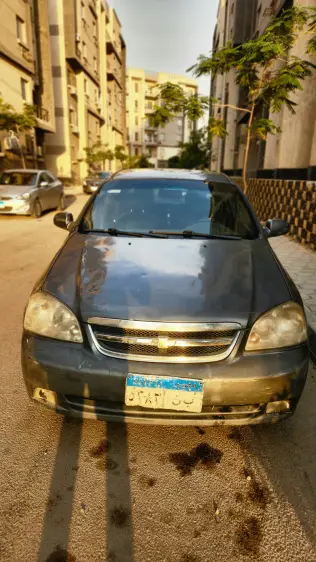
Chevrolet Optra 2012 for sale in Egypt. It's a gray sedan with 160,000 km on the clock, a 1600cc four-cylinder…
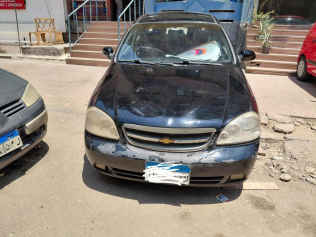
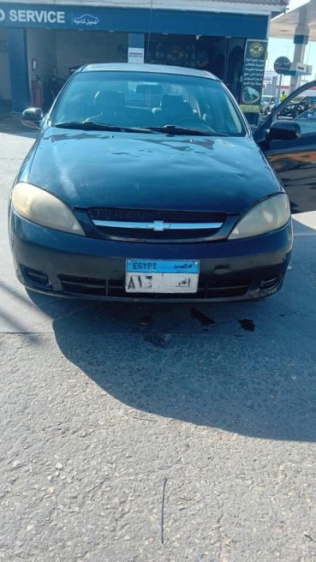
Generation Years (2005 – 2014)
Related News
Fuel Guzzlers: 10 Used Cars in Egypt You Should Think Twice Before Buying
As Egypt's automatic fuel pricing committee prepares to meet in October to review petrol and diesel rates, used-car buyers are paying closer attention to fuel efficiency. Ten used models circulating…

After 5 Cars Get Pricier in Egypt: Affordable Alternatives That Held Their Ground
Egypt's car market saw price hikes on five models from Chery, Hyundai, Changan, Haval, Dibal, and MG, with increases ranging from EGP 5,000 to EGP 60,000 within 48 hours. The…
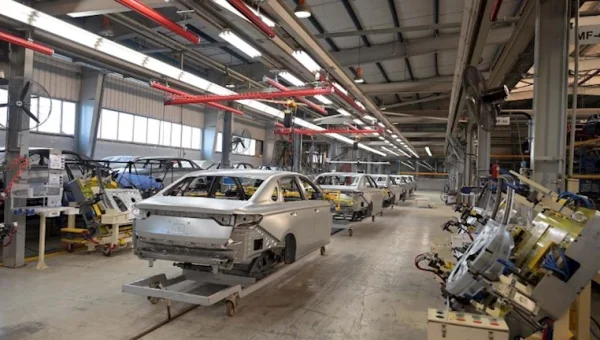
Egypt's Car Assembly Map Expands: Kaiyi, Chevrolet Groove, and Kia Lead the Next Wave
Egypt's car assembly map is expanding with the Kaiyi X3 Pro, Chevrolet Groove, and Kia models entering local production lines. Nissan assembles Sunny, Sentra, and Magnite, while Hyundai produces Accent…
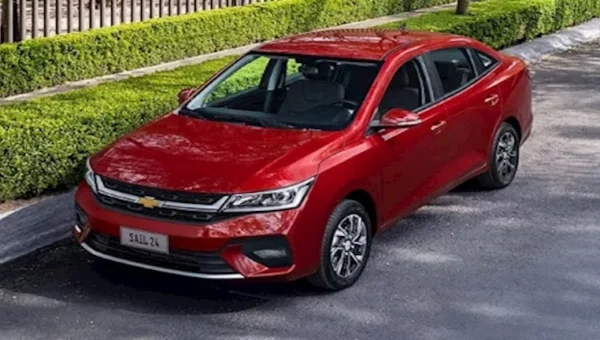
Chevrolet Optra: The Brand's Cheapest Car Before the Locally Assembled Groove Arrives
Chevrolet is set to launch the locally assembled Groove SUV in Egypt with a 1.5-liter turbo engine producing 145 hp. Until then, the Optra stays the brand's cheapest model, offering…
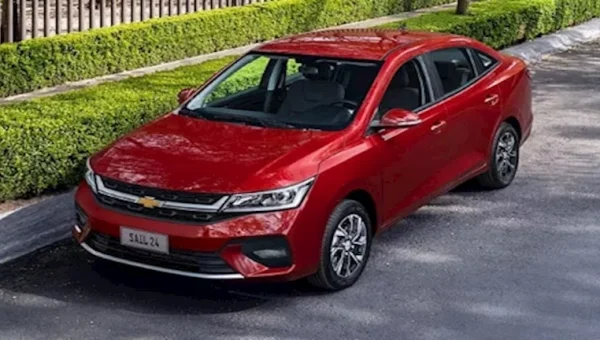
Chevrolet Optra Remains Brand's Cheapest Car in Egypt Ahead of Groove Launch
The Chevrolet Optra remains the cheapest model in Chevrolet's Egyptian lineup ahead of the locally assembled Groove launch. The Optra uses a 1.5-liter engine producing 98 horsepower and 140 Nm,…
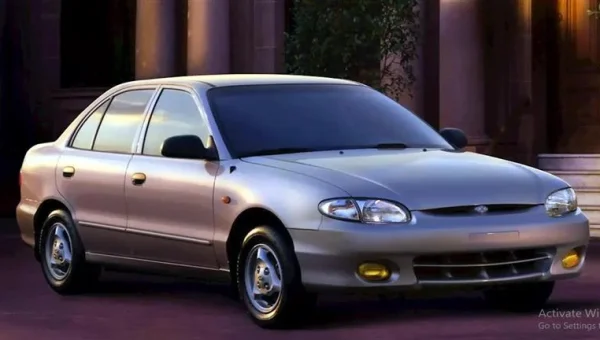
5 Used Cars Under 1 Million EGP in Egypt This October
Five used cars lead Egypt's market this October with prices under one million EGP: Hyundai Accent from 300,000 EGP, Chevrolet Optra from 430,000, Renault Logan averaging 500,000, plus MG 5…
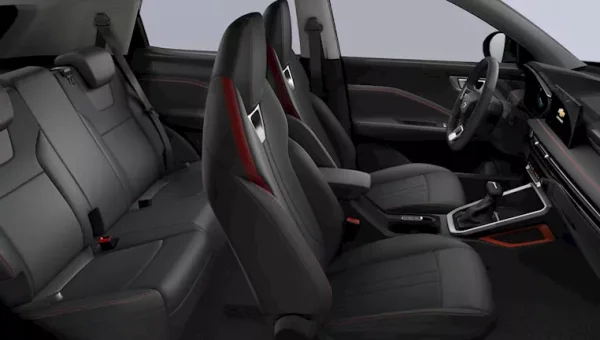
Chevrolet Groove to Be Assembled Locally in Egypt with 145 HP
Chevrolet Groove 2026 is set to be locally assembled in Egypt at General Motors' plants. The crossover packs a 1.5-liter turbo engine with 145 hp and 255 Nm of torque,…
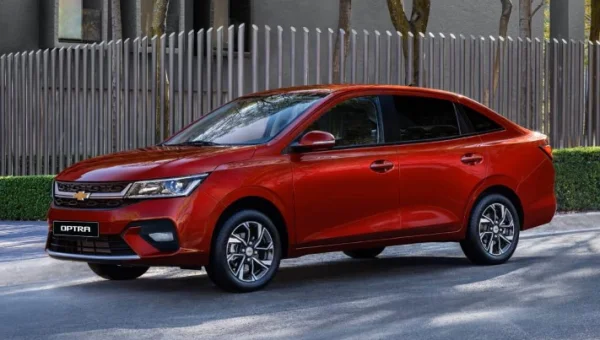
Chevrolet Dominates Egypt's Car Market with Over 24,000 Units in First 8 Months of 2026
Chevrolet has topped Egypt's car market in the first eight months of 2026 with over 24,000 registered vehicles, up nearly 6,000 units from the same period last year. The surge…