


Why NIO's Entry into the Egyptian Electric Vehicle Market Has Been Delayed
Despite the fact that negotiations regarding the acquisition of the dealership rights for the Chinese electric vehicle brand NIO in the Egyptian market had recently reached highly advanced stages, coming very close to a final agreement with several prominent local businessmen and investors, the company has not yet granted official distribution rights to any local agent. This unexpected pause in the proceedings has sparked serious questions regarding the actual reasons behind the delay in entering one of the largest and fastest-growing automotive markets in the Middle East and North Africa region. This comes at a time when the Egyptian market is witnessing active movement towards modernizing its transportation ecosystem, making the availability of charging options compatible with international standards a decisive factor in the success of any new automotive brand, especially with the increasing local demand for sustainable mobility solutions.
The Technical Gap in Electric Charging Protocols
The primary and decisive obstacle behind this postponement lies in the technical incompatibility between the current vehicle specifications and local infrastructure requirements. Well-informed sources revealed that the core reason is NIO's current reliance on the proprietary Chinese charging protocol for its vehicles, which is the prevailing standard in its domestic market. Conversely, the Egyptian market strictly mandates that electric vehicles comply with the European charging protocol, as it is the officially adopted technical standard for the country's expanding network of public and private charging stations. This fundamental difference between the Chinese and European protocols involves precise engineering variations in the design of charging cables and the specific port configurations of each vehicle. Every car is equipped with its own dedicated charging system that does not automatically align with European-standard stations, making direct charging operations unfeasible without substantial modifications or specialized adapters that may not be practical on a wide scale.
Strategic Restructuring and Expansion Through Local Dealerships
In light of these complex technical challenges, the company has chosen to postpone its market entry rather than risk launching vehicles that do not meet local operational requirements, reflecting a strong commitment to technical standards and end-user experience quality. In this strategic context, NIO is currently restructuring its external expansion strategy on a regional and global level. The company aims to transition thoughtfully from the direct-to-consumer expansion model it employs in certain international markets to relying on a robust network of authorized local dealerships to manage marketing, sales, and after-sales services more efficiently and with greater flexibility. This shift is designed to ensure the provision of exceptional technical support and genuine spare parts, thereby enhancing local consumer confidence in the new brand. The company's regional office in Dubai is designated to serve as the central hub for managing and coordinating these operations across Middle Eastern markets, ensuring the leverage of local expertise to build a strong and reliable service network.
Future Outlook and Expected Market Entry by 2028
Regarding future plans and the updated timeline, sources clarified that the company targets the integration of the European charging protocol into its vehicle specifications as part of its upcoming production roadmap, a technical development expected to be fully implemented by the year 2028. This anticipated advancement will enable the brand to successfully enter several regional and international markets that strictly mandate this specific technical standard, including the Egyptian market, which remains a strategic priority within its expansion map. Sources confirmed that Egypt continues to be a market of high interest for NIO in the region; however, the decision for actual market entry remains contingent upon completing the necessary technical alignment. This proactive approach demonstrates the manufacturer's dedication to delivering a product that fully integrates with the host country's ecosystem, avoiding the pitfalls of incompatible technology that could hinder consumer adoption and brand reputation in a growing competitive environment.
Related News
View All News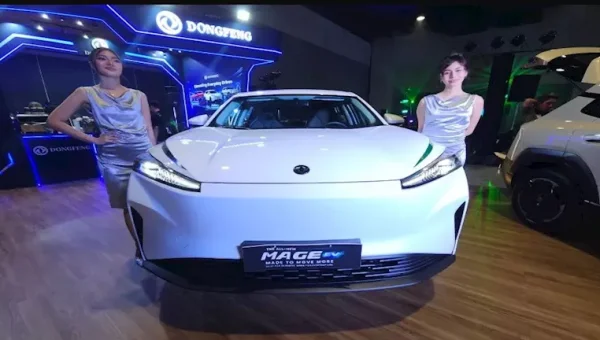
Dongfeng Mage Electric Set for Egyptian Debut on October 31
The Dongfeng Mage electric SUV will launch in its locally assembled Egyptian form on October 31, built at El Nasr Automotive's factory. It uses a 161 hp front-mounted electric motor…
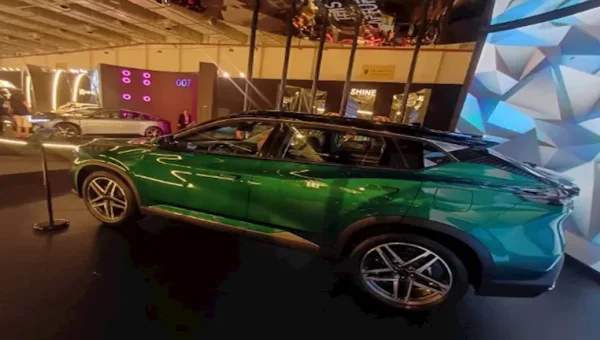
Dongfeng Mage EV: Egypt's First Locally Assembled Electric Car Before Official Launch
SN Automotive and Al Nasr Automotive are set to unveil the Dongfeng Mage EV, Egypt's first locally assembled electric car, on October 31. The compact SUV features a 120 kW…
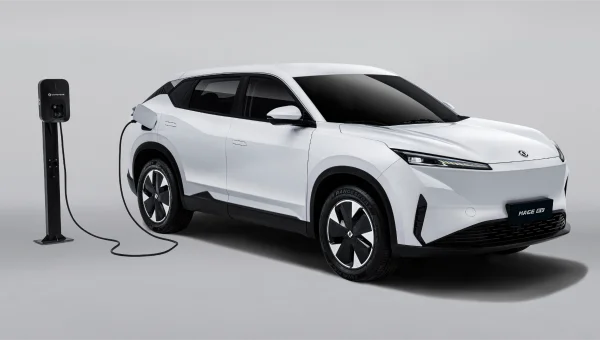
Dongfeng Mage EV Set to Launch from El Nasr Plant on October 31
SN Automotive has set October 31 as the official reveal date for the Dongfeng Mage EV, the first electric vehicle to be manufactured at Egypt's El Nasr Automotive plant. The…
Dongfeng Mage Launches First Locally Made EV in Egypt with El Nasr Automotive
SN Automotive, the distributor of Dongfeng Mage in Egypt, will unveil the brand's first locally manufactured electric vehicle on October 31 in partnership with El Nasr Automotive. The move is…
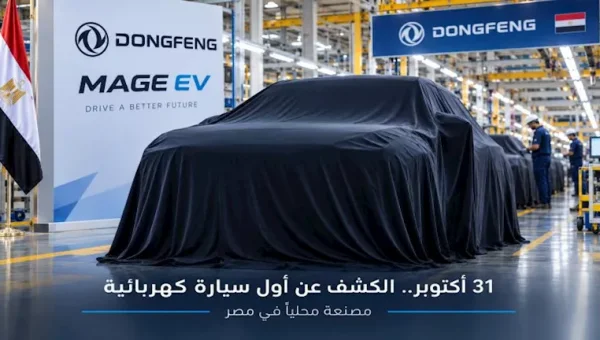
Dongfeng Mage EV Set for Official Unveiling in Egypt on October 31
SN Automotive is preparing to unveil the Dongfeng Mage EV in Egypt on October 31, 2026, with local assembly at Nasr Automotive's facilities. The compact SUV features a front-mounted electric…

