

Nissan Qashqai e-Power: Japanese Technology Redefines Hybrid Driving in Egypt
Japanese automotive history hides many surprises. Right after World War II, Nissan acquired "Tama" — the company behind Japan's first electric passenger car, born out of a severe fuel shortage. Its top speed was just 35 km/h, with a range of 96 km.
Those numbers look modest today. But they laid the groundwork for Nissan's electric empire, and every Asian innovation we see now is a direct evolution of those early beginnings. The automaker never stopped pioneering since that historic moment.
e-Power System: A Smart Answer to Infrastructure Gaps
What do you do when charging infrastructure isn't ready yet? Nissan found the answer. The Qashqai e-Power combines a petrol engine with a powerful electric battery — and no public chargers required. The petrol unit works as a generator, feeding electricity directly to the electric motor while storing surplus energy in the battery.
This clever setup sidesteps Egypt's sparse public charging network entirely. Drivers enjoy a nearly all-electric experience without range anxiety. It's a pragmatic solution tuned perfectly to the region's current needs.
Licensing Differences: Electric vs. Petrol
The legal gap between registering an electric car and a petrol one in Egypt is substantial. Nissan's X-Trail was officially registered as electric in the market, unlocking serious customs and tax advantages. Yet the real story lies in the driving dynamics.
The car holds its line on open roads, sprinting with confidence against any rival. Front and rear passengers enjoy genuine comfort, generous storage, and a cabin spacious enough for Egyptian families. The horsepower figures are effective, and the throttle response feels instant and clean.
The Japanese Playbook: Innovate, Observe, Astonish
Japanese automakers always strike first with inventions, then step aside to watch customer and competitor reactions. After studying global markets and the future of mobility, they return with breakthroughs that leave everyone stunned. Nissan embodies this strategy with remarkable clarity in Middle Eastern markets.
The e-Power system appears ideal for Egyptian buyers based on firsthand experience. The longer the electric range grows, the stronger its appeal against plug-in hybrids and REV cousins. The real challenge lies in expanding this technology across more segments of the local market.
Related News
View All News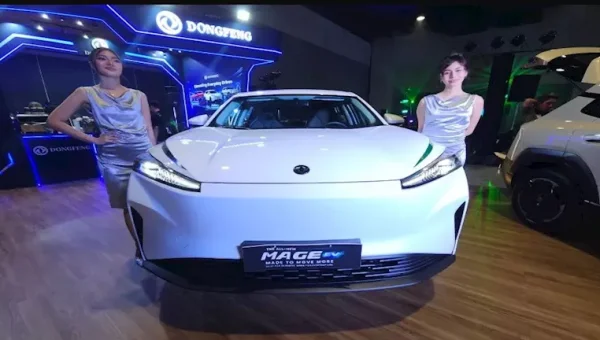
Dongfeng Mage Electric Set for Egyptian Debut on October 31
The Dongfeng Mage electric SUV will launch in its locally assembled Egyptian form on October 31, built at El Nasr Automotive's factory. It uses a 161 hp front-mounted electric motor…
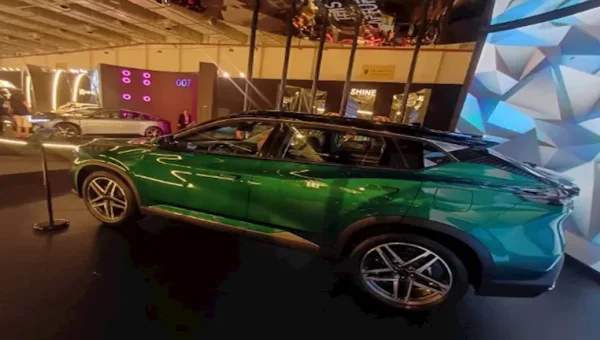
Dongfeng Mage EV: Egypt's First Locally Assembled Electric Car Before Official Launch
SN Automotive and Al Nasr Automotive are set to unveil the Dongfeng Mage EV, Egypt's first locally assembled electric car, on October 31. The compact SUV features a 120 kW…
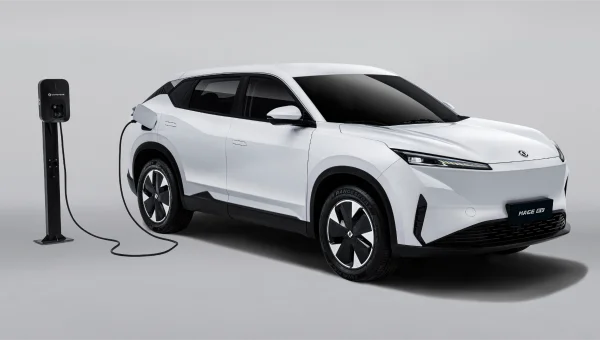
Dongfeng Mage EV Set to Launch from El Nasr Plant on October 31
SN Automotive has set October 31 as the official reveal date for the Dongfeng Mage EV, the first electric vehicle to be manufactured at Egypt's El Nasr Automotive plant. The…
Dongfeng Mage Launches First Locally Made EV in Egypt with El Nasr Automotive
SN Automotive, the distributor of Dongfeng Mage in Egypt, will unveil the brand's first locally manufactured electric vehicle on October 31 in partnership with El Nasr Automotive. The move is…
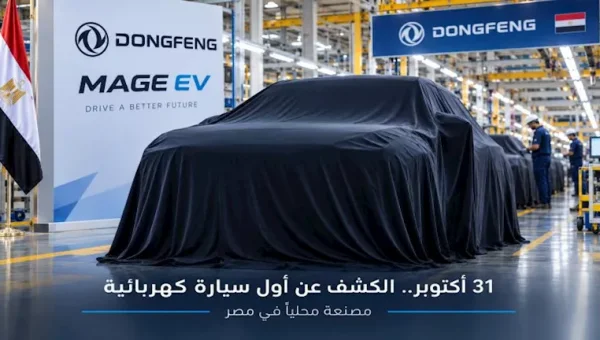
Dongfeng Mage EV Set for Official Unveiling in Egypt on October 31
SN Automotive is preparing to unveil the Dongfeng Mage EV in Egypt on October 31, 2026, with local assembly at Nasr Automotive's facilities. The compact SUV features a front-mounted electric…

