

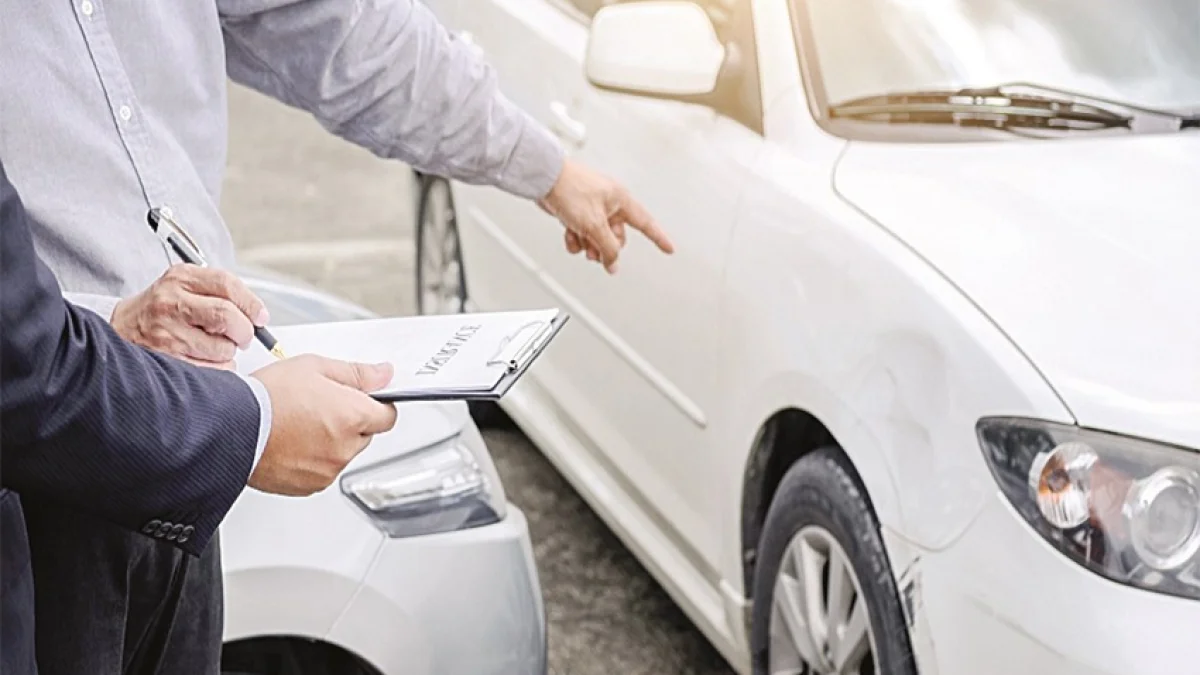
Xenon Headlights Could Void Your Insurance: Expert Explains the Rules
Installing xenon headlights does not automatically void your insurance, but it can lead to claim rejection if the lights are linked to causing the damage. Any modification after policy issuance must be reported in advance, as insurers base coverage on the original inspection. The solution is obtaining written approval and an insurance endorsement to maintain coverage under the vehicle's new condition.
Insurance companies may refuse your claim after an accident simply because you installed xenon headlights. A small lighting modification turns into a major dispute with your insurer, and everything depends on when you reported it and what your policy document says.
Why Xenon Lights Threaten Your Policy
Insurance expert Mustafa El-Sawy explained that any modification made after the initial inspection requires immediate notification to the company. Coverage is based entirely on the vehicle's condition at the time of contracting, and any later change without documentation may count as a breach of agreed terms.
The rule doesn't apply to xenon lights only. Installing larger wheels or technically unsuitable rims, or changing any major component, alters the risk profile of the vehicle. Cosmetic changes may seem harmless, but they become a decisive factor when assessing an accident and determining how the damage connects to the modification.
When Does Coverage Fall and When Does It Survive?
Xenon lights themselves don't automatically void your coverage. The expert stresses that problems appear only when the device is linked to causing the damage itself. Damage to the wiring harness or a fire resulting from installation gives the company grounds to reject compensation for these specific losses.
The logic is simple: the new risk was not part of the originally insured condition. Insurance companies calculate risk levels and coverage values based on the data recorded at signing, and any deviation from this data opens the door to wide-ranging disputes.
The Preventive Solution Before Modifying
Prior notification is the first line of defense. El-Sawy's advice is clear: contact your insurer before making any substantial modification and obtain written approval. If the company accepts the change, an insurance endorsement is issued and added to the original policy.
This endorsement guarantees continued coverage under the vehicle's new condition. The decision rests with the owner: either document the modification through official endorsement, or risk losing the entire claim after an accident. The choice seems obvious, yet many discover the rule too late.
Frequently Asked Questions
3 questions answered
Related News
View All News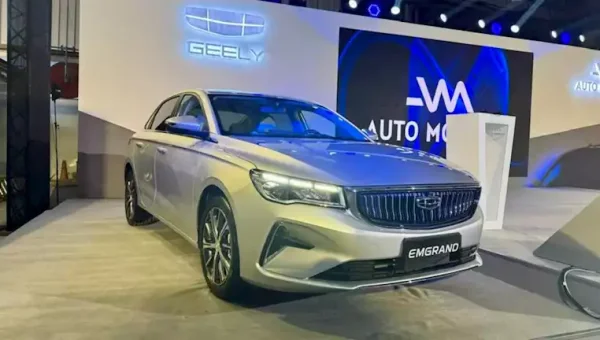
Geely Egypt Pledges to Honor Original Prices for Existing Reservations
Aut Mobility, Geely's distributor in Egypt, has committed to delivering reserved vehicles at the official prices set at contract signing. The move follows price increases on Geely Emgrand 2027 by…
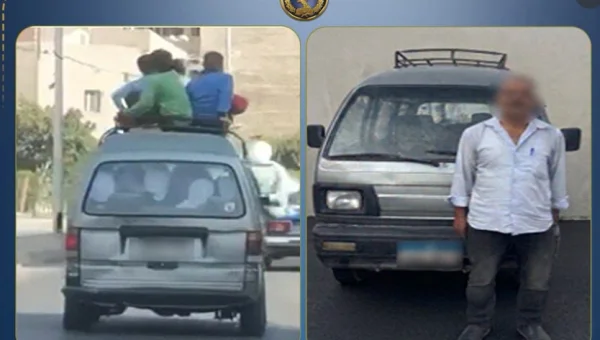
Interior Ministry Arrests Reckless Van Driver Who Let Children Sit on Roof in Al-Nahda
Egypt's Interior Ministry arrested a van driver after a video showed him allowing children to sit on the roof of his moving vehicle in the Al-Nahda area of Cairo. The…
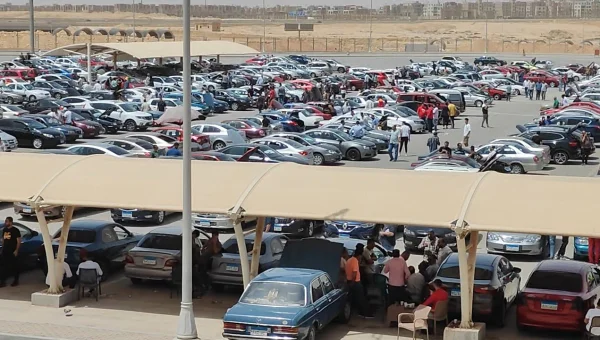
Used Car Market Set for 30% Sales Surge in November and December
Egypt's used car market is poised for a strong rebound in the final two months of 2026, with traders forecasting a 30% increase in sales during November and December. Sales…
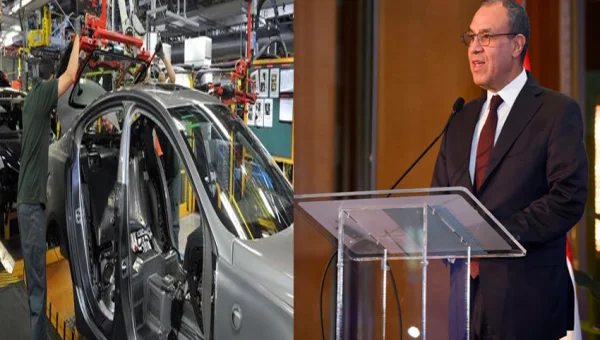
Foreign Minister: Localizing Auto Components and Deepening Manufacturing Boost Egypt's Competitiveness
Foreign Minister Badr Abdel Ati affirmed that localizing auto components and deepening local manufacturing are key to boosting Egypt's automotive competitiveness. Speaking at the fifth World Manufacturing Conference in Cairo,…

Throwing a Tea Cup Out Your Car Window Could Cost You EGP 15,000 and Your License
Egyptian Traffic Law Article 72 bis (2) imposes a fine of EGP 5,000 to EGP 15,000 on any driver who throws waste or litter from a vehicle onto the road.…

