


Financial Solvency and the Six-Month Rule: Protecting People of Determination from Exploitation
A customs expert confirmed that requiring funds to stay in an account for six months before car imports by people of determination prevents traders from exploiting them. Stable financial solvency ensures the import is for personal use, not for resale. The measure targets the temporary deposits that were previously made right before transactions.
The six-month bank balance requirement for car imports by people of determination is a crucial safeguard, according to customs expert Dr. Badawi Ibrahim. The rule directly targets traders who use this category as a front for commercial imports. Sudden cash deposits before an import operation now raise serious concerns.
The logic behind the rule is straightforward: money must remain in the account for a minimum of six months before the import request is accepted. This proves the financial capacity belongs to the actual beneficiary, not to funds briefly parked by a third party to execute a deal.
How Does the Six-Month Rule Work?
The customs authority looks at deposit timing, not just the total amount. Large sums appearing days or weeks before an import transaction trigger immediate suspicion about their source and purpose. Financial stability has become the decisive factor in evaluating eligibility.
This approach directly targets the exploitation of car prices as a tool for illegal trade. Consistent solvency means the person genuinely owns the money for a personal-use import, rather than serving as a front for a trader seeking quick profits.
Why This Move Matters for the Car Market
The used car market in Egypt faces enormous pressure. Any loophole allows vehicles to enter through irregular channels. The six-month rule acts as a filter that prevents cars from reaching traders who abuse privileged categories. Six months is the dividing line between personal use and systematic commerce.
The customs expert also stressed that this condition sends a clear message to any trader considering exploiting benefits meant for people of determination. Cairo and other governorates will monitor these operations closely, and temporarily deposited funds won't deceive the updated system.
This measure is part of a broader framework to protect the rights of support-eligible groups. The goal isn't just preventing customs evasion — it's preserving the core advantage the law grants to these individuals. New cars arriving through these channels must serve their rightful owners.
Frequently Asked Questions
2 questions answered
Related News
View All News
Geely Egypt Pledges to Honor Original Prices for Existing Reservations
Aut Mobility, Geely's distributor in Egypt, has committed to delivering reserved vehicles at the official prices set at contract signing. The move follows price increases on Geely Emgrand 2027 by…

Interior Ministry Arrests Reckless Van Driver Who Let Children Sit on Roof in Al-Nahda
Egypt's Interior Ministry arrested a van driver after a video showed him allowing children to sit on the roof of his moving vehicle in the Al-Nahda area of Cairo. The…

Used Car Market Set for 30% Sales Surge in November and December
Egypt's used car market is poised for a strong rebound in the final two months of 2026, with traders forecasting a 30% increase in sales during November and December. Sales…
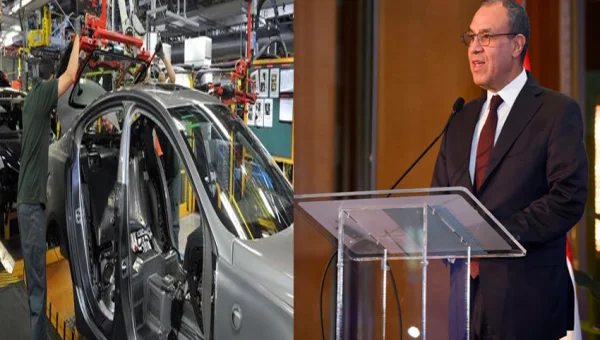
Foreign Minister: Localizing Auto Components and Deepening Manufacturing Boost Egypt's Competitiveness
Foreign Minister Badr Abdel Ati affirmed that localizing auto components and deepening local manufacturing are key to boosting Egypt's automotive competitiveness. Speaking at the fifth World Manufacturing Conference in Cairo,…

Throwing a Tea Cup Out Your Car Window Could Cost You EGP 15,000 and Your License
Egyptian Traffic Law Article 72 bis (2) imposes a fine of EGP 5,000 to EGP 15,000 on any driver who throws waste or litter from a vehicle onto the road.…

