


«9+1» Safety Rules Pushed Cars Out of Egypt’s Market Over the Past Decade
Customs expert Dr. Badawi Ibrahim revealed that Egypt’s «9+1» system sets minimum safety specifications for imported cars, including headrests, airbags, doors, exhaust box, environmental device, and chassis. He said these rules caused several brands to disappear from the Egyptian market over the past decade for failing to meet safety requirements. He confirmed the market now hosts higher-quality brands and that the state does not compromise on quality standards.
Customs expert Dr. Badawi Ibrahim has revealed that Egypt’s car import system relies on the so-called «9+1» minimum specification standard, which covers essential safety and environmental components required for any vehicle entering the country. He said the regulations have forced entire brands out of the Egyptian market over the past decade after they failed to meet the requirements. The number is strict.
What Is «9+1» and Why Does It Matter to Egyptian Buyers?
Speaking on «Arabeyti» radio programme on Radio Masr, Ibrahim outlined the «9+1» components in detail: headrests, airbags, doors, exhaust box, environmental device, and chassis. Each element plays a role in passenger protection and emission reduction, and any vehicle that fails to meet these thresholds is barred from entering Cairo or any other governorate through customs ports. The rule is non-negotiable.
Cars Disappeared — and the Market Gained
Ibrahim noted that the Egyptian market once hosted more than ten brands that later vanished, with the direct cause being the enforcement of «9+1» and the inability of some models to satisfy safety requirements. He pointed out that these conditions eliminated vehicles with poor safety levels from the market, while today’s lineup features brands with higher quality. The shakeout was inevitable.
The State Won’t Compromise on Quality
The customs expert stressed that the government doesn't compromise on quality levels in cars. The condition of vehicles currently available in Egypt is excellent. This stance reflects consumer confidence in brands such as Toyota, Hyundai. Nissan, which have adhered to safety standards for years. The policy is clear.
What Does It Mean for Used-Car Buyers?
Customs rules affect more than just new cars; they extend to the used market because vehicles imported before «9+1» enforcement may have fewer airbags or missing rear headrests. Buyers searching for a used Kia or Chery are advised to inspect airbag count and rear headrest presence before purchase. Inspection is essential.
The «9+1» discussion serves as a reminder that Egypt’s auto market is no longer an open field for any vehicle but a selective system that raises the bar for competition among brands. As these standards continue to apply, the Egyptian consumer remains the biggest winner, enjoying higher quality and better safety — a real gain for the market and for Toyota prices and other compliant brands.
Frequently Asked Questions
3 questions answered
Related News
View All News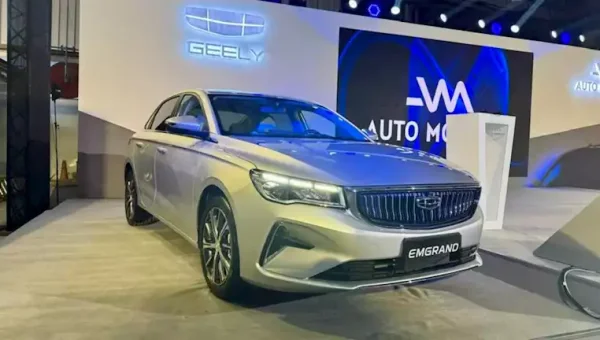
Geely Egypt Pledges to Honor Original Prices for Existing Reservations
Aut Mobility, Geely's distributor in Egypt, has committed to delivering reserved vehicles at the official prices set at contract signing. The move follows price increases on Geely Emgrand 2027 by…
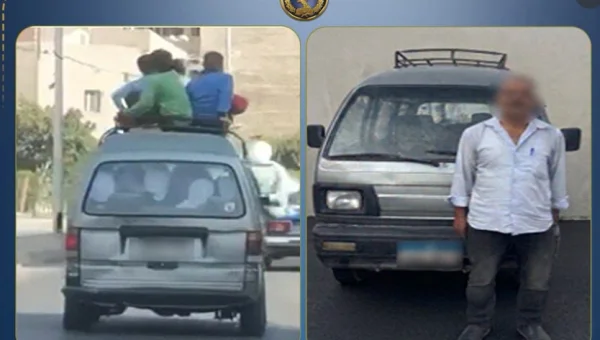
Interior Ministry Arrests Reckless Van Driver Who Let Children Sit on Roof in Al-Nahda
Egypt's Interior Ministry arrested a van driver after a video showed him allowing children to sit on the roof of his moving vehicle in the Al-Nahda area of Cairo. The…
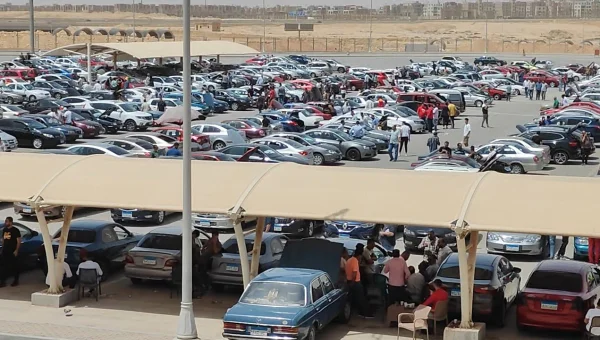
Used Car Market Set for 30% Sales Surge in November and December
Egypt's used car market is poised for a strong rebound in the final two months of 2026, with traders forecasting a 30% increase in sales during November and December. Sales…
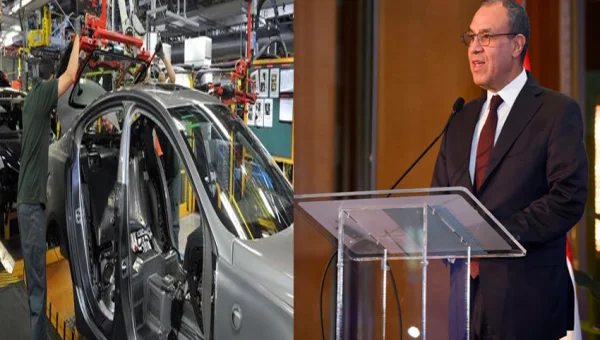
Foreign Minister: Localizing Auto Components and Deepening Manufacturing Boost Egypt's Competitiveness
Foreign Minister Badr Abdel Ati affirmed that localizing auto components and deepening local manufacturing are key to boosting Egypt's automotive competitiveness. Speaking at the fifth World Manufacturing Conference in Cairo,…
Throwing a Tea Cup Out Your Car Window Could Cost You EGP 15,000 and Your License
Egyptian Traffic Law Article 72 bis (2) imposes a fine of EGP 5,000 to EGP 15,000 on any driver who throws waste or litter from a vehicle onto the road.…

