

From Rejection to Rivalry: How Chinese Cars Won Over Egypt's Insurance Sector
Chinese cars in Egypt have evolved from being a rejected option by insurance companies to an actual competitor in the local market. Insurers were previously concerned about sparse service networks and delayed spare parts availability. The expanded aftersales infrastructure and higher build quality have now rebuilt trust. As a result, policies are more accessible, signaling a major market shift.
Chinese cars in Egypt have made a remarkable journey from being outright rejected by insurance companies to becoming strong competitors worthy of full coverage. This shift came after over a decade of doubts about their quality, reliability. The support infrastructure around them. The days when a new Chinese vehicle on Egyptian roads was seen as a risky bet are fading fast.
The Root of Insurer Skepticism Toward Chinese Vehicles
Insurance firms once applied strict risk assessment to Chinese car brands. The calculus often ended negatively for consumers. Spare parts shortages that forced long repair times topped the list of concerns, making many companies shy away from offering comprehensive coverage. At the heart of this was a fundamental operational gap: repair centers charging high daily rates versus insured vehicles waiting months for a single replacement fender or engine component.
The real problem in those years was the agent, not just the automaker's global reputation. Geely, Chery, and other pioneers lacked enough authorized service points across Egypt's governorates. That directly impacted how insurers calculated their premiums and risk. The math was brutal: if a car takes ninety days to repair, the insurer must provide a replacement vehicle and absorb administrative losses for three months at a stretch. That simple equation discouraged many providers from approving policies altogether.
Enter the modern era of Chinese automotive investment. The industry's rapid evolution has changed these dynamics profoundly, as manufacturers began realizing Egypt is a long-term market requiring a complete aftersales ecosystem. Bigger names such as BAIC, Changan. DFSK now boast improved production standards and higher localization of assembly, and this brings genuine parts catalogs into local warehouses instead of relying on intercontinental shipments.
What Changed the Insurance Equation for Chinese Brands?
Adnan El-Nahal, head of claims at a major underwriter specialized in vehicle risk, stated that his firm's historical references now look quite dated compared with field data from recent years. Newly authorized Chinese distributor networks have significantly expanded their footprint of repair stalls and spare-part storage facilities, matching or sometimes exceeding the density of older established competitors. This gives insurers confidence in the car's restorability after an accident. That is a factor more crucial than initial build quality.
The game-changer for insurance companies is that they need comfortable repair networks as much as drivers need airbags. MG, Jetour, and Haval have built warehouses in strategic industrial zones to ensure parts move overnight rather than by the season, and this structural shift has revived competition across the automotive insurance landscape. Insurers have started adjusting their underwriting standards and now offer policies for Chinese cars that align with market demand in both price and warranty terms.
The growth story doesn't stop at mainland brands simply importing finished vehicles; localized assembly lines have also played a major part in reducing costs and improving availability. Yet the victory is still fragile — smaller entries with immature aftersales frameworks may repeat the old pattern, requiring both market authority vigilance and consumer awareness to sustain this positive trajectory. Average consumers are also changing their approach to car ownership and recognizing that they have leverage to negotiate full-fledged insurance by verifying repair capacity before paying any deposit. When warranty packages and insurer relationships mature to match the trust consumers place in badge heritage, the final seal of acceptance will fall into place across Egyptian roads.
Frequently Asked Questions
2 questions answered
Related News
View All News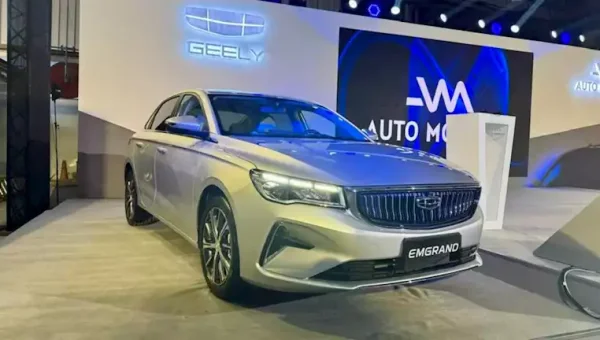
Geely Egypt Pledges to Honor Original Prices for Existing Reservations
Aut Mobility, Geely's distributor in Egypt, has committed to delivering reserved vehicles at the official prices set at contract signing. The move follows price increases on Geely Emgrand 2027 by…
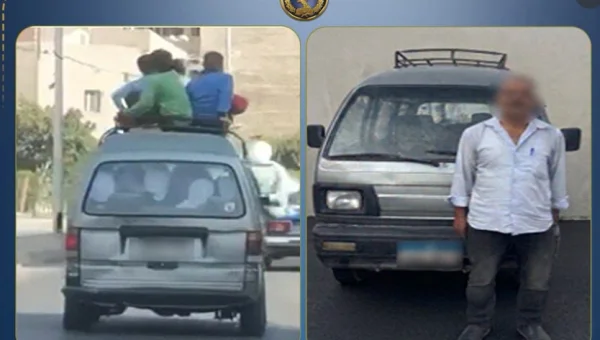
Interior Ministry Arrests Reckless Van Driver Who Let Children Sit on Roof in Al-Nahda
Egypt's Interior Ministry arrested a van driver after a video showed him allowing children to sit on the roof of his moving vehicle in the Al-Nahda area of Cairo. The…
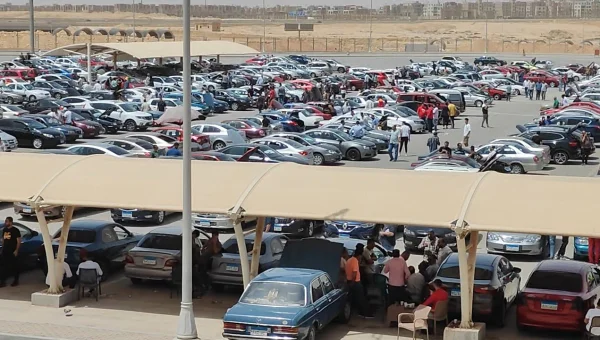
Used Car Market Set for 30% Sales Surge in November and December
Egypt's used car market is poised for a strong rebound in the final two months of 2026, with traders forecasting a 30% increase in sales during November and December. Sales…
Foreign Minister: Localizing Auto Components and Deepening Manufacturing Boost Egypt's Competitiveness
Foreign Minister Badr Abdel Ati affirmed that localizing auto components and deepening local manufacturing are key to boosting Egypt's automotive competitiveness. Speaking at the fifth World Manufacturing Conference in Cairo,…
Throwing a Tea Cup Out Your Car Window Could Cost You EGP 15,000 and Your License
Egyptian Traffic Law Article 72 bis (2) imposes a fine of EGP 5,000 to EGP 15,000 on any driver who throws waste or litter from a vehicle onto the road.…

