

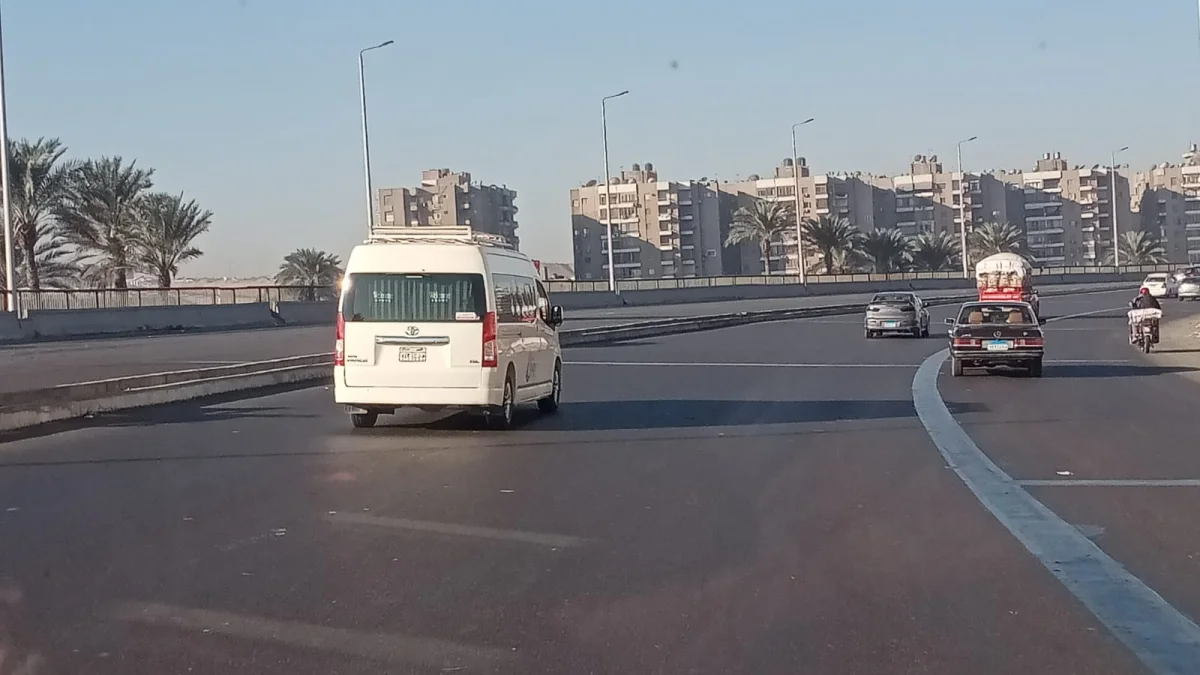
Cairo and Giza Traffic Flows Cautiously Through Sunday Peak
Cairo and Giza's main roads saw relative traffic flow on Sunday morning with moving density and slowdowns at key points during peak hours. Cairo recorded clear flow on October Bridge and Salah Salem Axis alongside Ring Road slowdowns, while Giza faced heavy congestion in Faisal and the Haram-Marioutia intersection. Part of the density stems from metro station construction, with traffic services deployed to manage movement and guide drivers to alternative routes.
Cairo and Giza's main arteries saw relative traffic flow on Sunday morning, with moving density and slowdowns at several vital points driven by peak-hour load, as traffic services deployed to secure public safety, manage vehicle movement and guide drivers toward alternative routes.
Cairo: Flow on October Bridge, Slowdowns on the Ring Road
Across the capital, traffic moved steadily on October Bridge, El Shahid Axis, the Nile Corniche, downtown and Tahrir Square. Slowdowns appeared on the Ring Road for traffic coming from Mo'assaset El Zakat toward El Marg, from El Basatin to the Autostrad. From the Autostrad toward New Cairo and Tagamoa. Flow was clearer on Ramses, Ain Shams, downtown, Nasr City, Heliopolis, Shubra and El Mo'assasa.
Salah Salem Axis ran smoothly except for heavy density in front of the Central Agency and El Obour Buildings during the morning peak, easing afterward through El Obour and Airport Road. Shubra and El Teraa El Bolaqia kept moving toward Amiriya and Waili, as monitored by traffic operation room cameras.
Giza: Density in Faisal, Haram and Around Metro Stations
In Giza, vehicles flowed on Dokki, Agouza, El Bahr El Aazam and Mohandessin, except for the 26th of July Axis for traffic coming from the Desert Road toward Lebanon Square. Heavy density hit Sphinx Square and Mostafa Mahmoud Square, while October districts ran smoothly with clear flow on Sheikh Zayed and Wahat Road.
Faisal axes at El Tawabek and the Haram-Marioutia intersection faced heavy congestion due to construction work on metro stations in El Talbia, El Eshreen, El Mesaha and Saft El Laban, along with areas around Giza metro stations. Traffic services continue tracking vehicle movement through surveillance cameras linked to the operations room and units deployed across main axes and squares.
Frequently Asked Questions
3 questions answered
Related News
View All News
Geely Egypt Pledges to Honor Original Prices for Existing Reservations
Aut Mobility, Geely's distributor in Egypt, has committed to delivering reserved vehicles at the official prices set at contract signing. The move follows price increases on Geely Emgrand 2027 by…
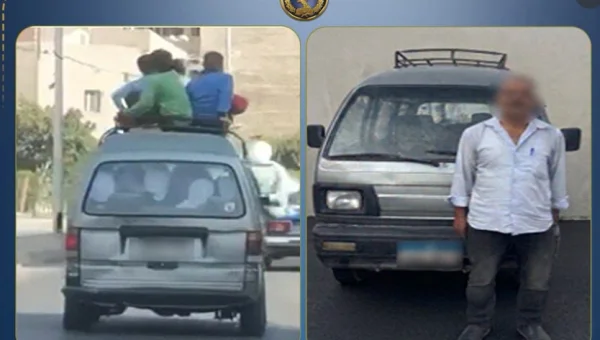
Interior Ministry Arrests Reckless Van Driver Who Let Children Sit on Roof in Al-Nahda
Egypt's Interior Ministry arrested a van driver after a video showed him allowing children to sit on the roof of his moving vehicle in the Al-Nahda area of Cairo. The…
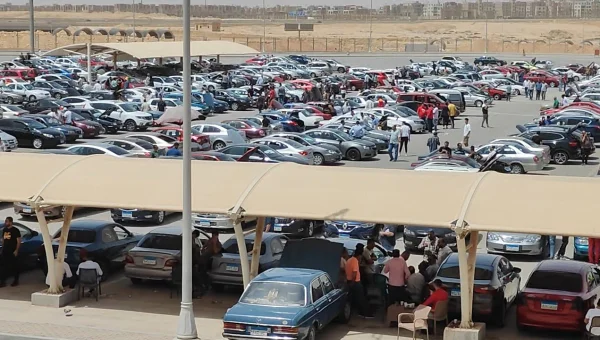
Used Car Market Set for 30% Sales Surge in November and December
Egypt's used car market is poised for a strong rebound in the final two months of 2026, with traders forecasting a 30% increase in sales during November and December. Sales…
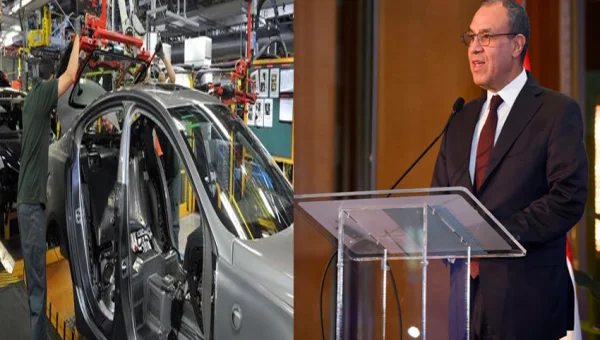
Foreign Minister: Localizing Auto Components and Deepening Manufacturing Boost Egypt's Competitiveness
Foreign Minister Badr Abdel Ati affirmed that localizing auto components and deepening local manufacturing are key to boosting Egypt's automotive competitiveness. Speaking at the fifth World Manufacturing Conference in Cairo,…
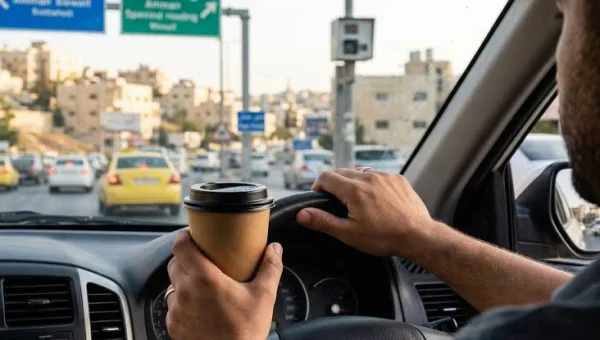
Throwing a Tea Cup Out Your Car Window Could Cost You EGP 15,000 and Your License
Egyptian Traffic Law Article 72 bis (2) imposes a fine of EGP 5,000 to EGP 15,000 on any driver who throws waste or litter from a vehicle onto the road.…

