

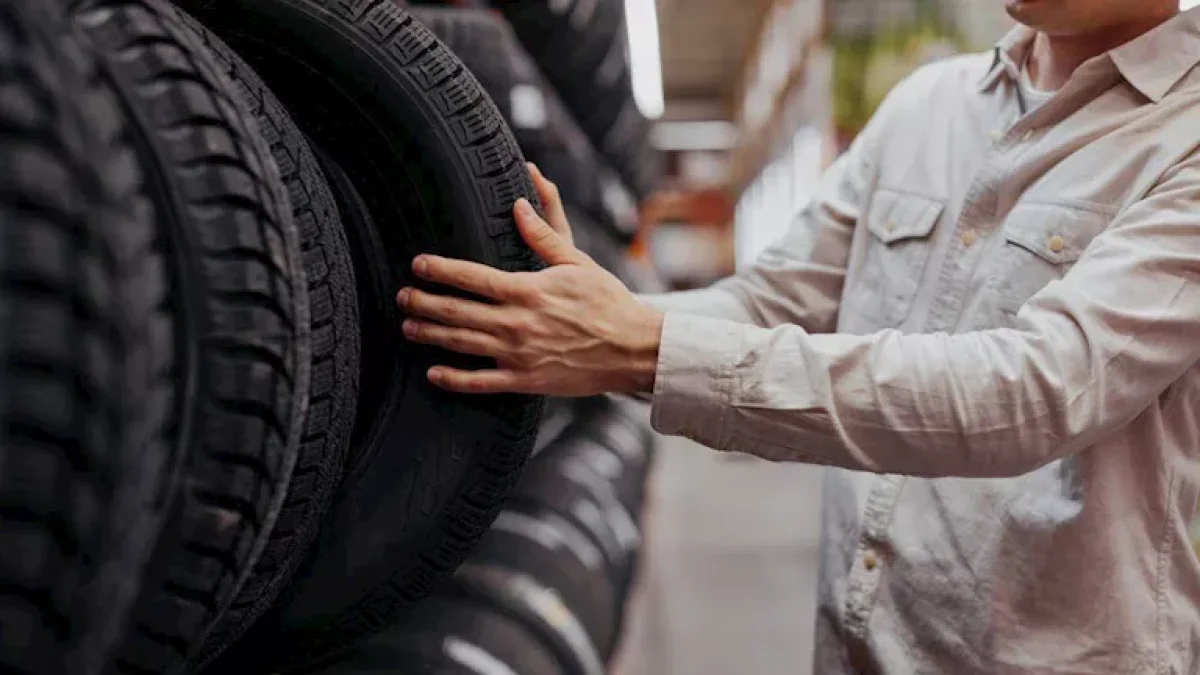
Boiling Water and Car Tires: The Truth Behind the Viral 'Renewal' Trend
A viral trend shows people submerging worn car tires in boiling water to restore them. Automotive experts confirm this does not repair damage and actually worsens cracks and internal structure. High heat strips oils from rubber, causing Dry Rot. Safe maintenance involves regular checks and timely replacement.
A viral social media trend has users dunking worn car tires into boiling water at 100°C, claiming it restores them to showroom condition within minutes. Influencers insist the heat re-bonds rubber and erases cracks. But does this actually work? Experts say no, and the practice could be deadly.
Automotive Experts Debunk the Boiling Water Myth
Car tire specialists confirm that submerging tires in boiling water doesn't repair damage from wear and tear. Instead, it worsens existing cracks and compromises internal structure. The tire becomes less capable of handling driving pressures, raising the risk of a blowout. Fading cracks after hot water exposure don't mean the rubber has regained its original properties. Aging, heat, UV rays, and environmental exposure cause irreversible changes to rubber composition.
Why This Method Is Dangerous for Your Tires
Car tires are made from chemically treated rubber, sulfur. Reinforcing materials designed to withstand friction and road pressure, not sudden extreme heat like boiling water. This exposure breaks down chemical bonds. High temperatures strip flexible oils and preservatives from the rubber, leaving it dry and prone to rapid cracking, a condition known as Dry Rot. The result: a tire that looks fine outside but has lost its safe performance. In Egypt's summer heat, this risk multiplies on highways.
Safe Alternatives for Tire Maintenance
Instead of following dangerous hacks, automotive experts recommend regular checks of air pressure and tread depth. Replacing tires when indicators reach the minimum. Safe driving requires sound tires, not temporary fixes that risk lives. On Egypt's roads, where pressures are high, tire care is a necessity, not a luxury. Avoid storing tires under direct sunlight and use protective covers for long-term storage.
The bottom line is clear: there is no shortcut to restoring a tire. Boiling water may hide defects for hours but destroys internal structure and reveals them at the first real road test. Road safety starts with choosing reliable tires and replacing them on time, not with social media recipes.
Frequently Asked Questions
3 questions answered
Related News
View All News
Geely Egypt Pledges to Honor Original Prices for Existing Reservations
Aut Mobility, Geely's distributor in Egypt, has committed to delivering reserved vehicles at the official prices set at contract signing. The move follows price increases on Geely Emgrand 2027 by…
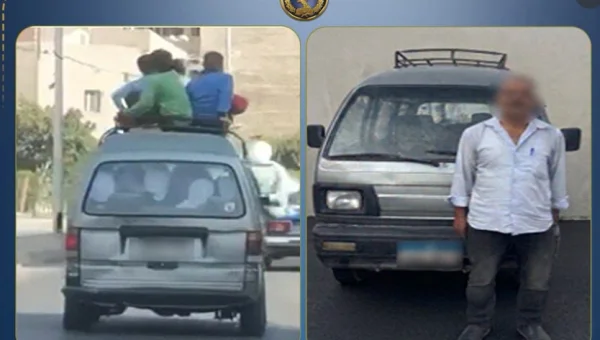
Interior Ministry Arrests Reckless Van Driver Who Let Children Sit on Roof in Al-Nahda
Egypt's Interior Ministry arrested a van driver after a video showed him allowing children to sit on the roof of his moving vehicle in the Al-Nahda area of Cairo. The…
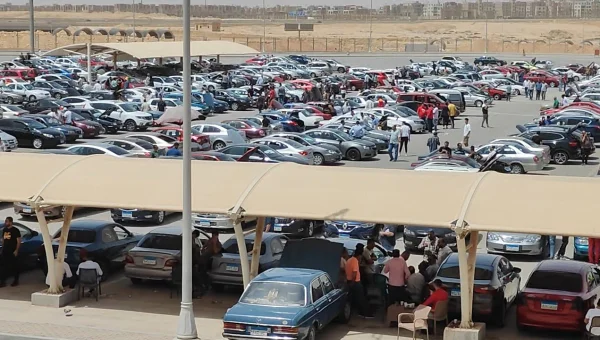
Used Car Market Set for 30% Sales Surge in November and December
Egypt's used car market is poised for a strong rebound in the final two months of 2026, with traders forecasting a 30% increase in sales during November and December. Sales…
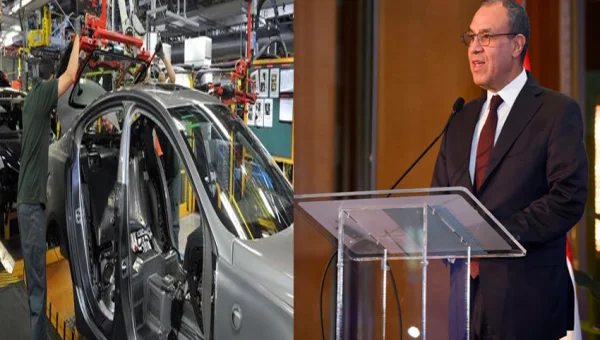
Foreign Minister: Localizing Auto Components and Deepening Manufacturing Boost Egypt's Competitiveness
Foreign Minister Badr Abdel Ati affirmed that localizing auto components and deepening local manufacturing are key to boosting Egypt's automotive competitiveness. Speaking at the fifth World Manufacturing Conference in Cairo,…
Throwing a Tea Cup Out Your Car Window Could Cost You EGP 15,000 and Your License
Egyptian Traffic Law Article 72 bis (2) imposes a fine of EGP 5,000 to EGP 15,000 on any driver who throws waste or litter from a vehicle onto the road.…

