

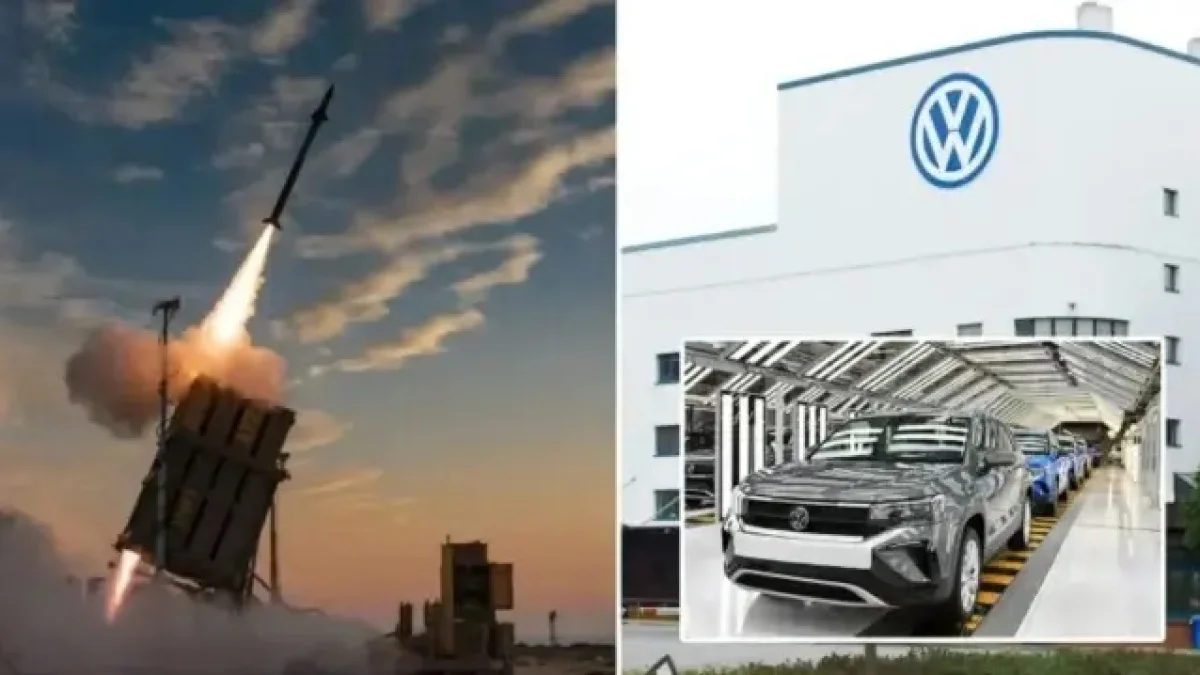
Volkswagen Sells Osnabrück Plant to Defense Consortium, Ending 125-Year Car Manufacturing Legacy
Volkswagen announced a preliminary agreement on September 7, 2026, to sell its Osnabrück plant to a consortium including Aurelius Capital and Lower Saxony. The 125-year-old facility will be converted into a defense industry hub after car production ends in summer 2027. The move comes amid mounting Chinese competition, weak European demand, and rising production costs, with plans to preserve most existing jobs.
Volkswagen has reached a preliminary agreement on September 7, 2026, to sell its Osnabrück plant in Germany to a consortium comprising Israeli investment firm Aurelius Capital and the state of Lower Saxony, converting the facility from car production to a defense industry hub. The deal follows a previous decision to end vehicle manufacturing at the site by summer 2027, closing a 125-year chapter of automotive production.
Why Is Volkswagen Abandoning Its Historic Plant?
The pressure on German automaking is no longer hidden. Fierce Chinese competition with lower prices and advanced technology, combined with weak European demand and soaring production costs, has forced Volkswagen into a radical restructuring of its production capacity. The Osnabrück plant, linked for decades to vehicle manufacturing and specialized production, now faces an entirely different future. This shift isn't isolated to Volkswagen — it reflects an entire sector grappling with existential questions about the viability of traditional manufacturing in Europe.
From Cars to Air Defense: Deal Details
Under the new agreement, Aurelius Capital will acquire a majority stake in the company operating the plant, with Lower Saxony participating. The site will gradually be developed into a specialized center for security and defense solutions. The plan aims to preserve most existing jobs and leverage the infrastructure and technical expertise of workers and engineers rather than shutting the facility and losing its industrial capabilities. Europe's expanding defense spending opens the door to repurposing existing factories for new activities — an opportunity that could save thousands of jobs previously at risk.
What Does This Mean for the German Car Market?
Chinese cars on European streets are no longer a passing phenomenon. Competition isn't confined to prices, technology, or even electric vehicles — its repercussions have extended to the future of European factories themselves. Historic industrial facilities are seeking alternative activities, including military equipment and air defense systems manufacturing. Volkswagen isn't the first company to face these pressures and won't be the last, but its decision on Osnabrück could become a model others follow in the near future.
Volkswagen Caught Between China and Costs
German automakers face a difficult equation. Competition from lower-cost Chinese companies is devouring market share, while high production costs in Germany make every vehicle rolling out of local plants less profitable. The decision to halt car production lines at Osnabrück wasn't surprising to anyone following the sector, but it raises questions about the future of dozens of similar plants across Europe. Are we witnessing a wave of similar conversions in the coming years? The numbers suggest the pressure won't ease anytime soon.
What's happening in Osnabrück isn't just a real estate deal or an administrative decision — it's a signal of a broader industrial transformation. A 125-year-old plant is starting a new chapter away from cars, while Volkswagen prices in the Egyptian market continue to feel the ripple effects of these global shifts. Anyone tracking the auto market knows that what happens in Germany reaches Cairo sooner or later.
Frequently Asked Questions
3 questions answered
Related News
View All News
Audi CEO Faces Backlash After Appearing with Trump at Georgia Rally
Audi CEO Gernot Döllner is under fire from Germany's IG Metall union after appearing with Donald Trump at a Georgia campaign rally. The event included a $4 billion investment plan…
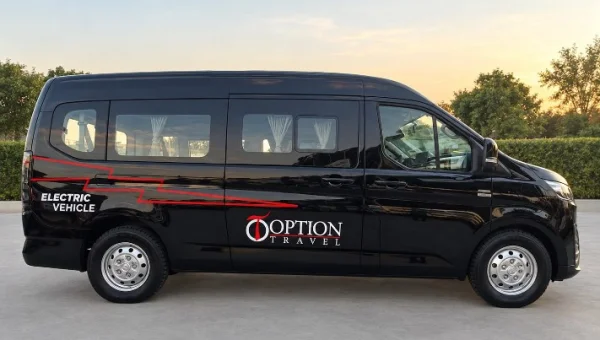
Option Travel Expands Fleet with 32 Foton Electric Minibuses to Boost Sustainable Tourism Transport in Egypt
Option Travel announced the addition of 32 Foton electric minibuses to its fleet to support sustainable tourism transport in Egypt. The move is part of the company's strategy to expand…
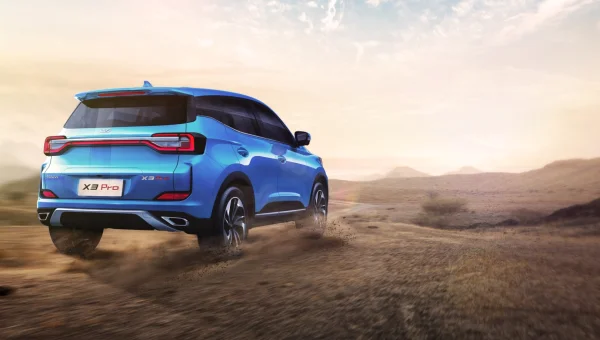
Kaiyi Motors Egypt Expands with 9 New Showrooms and Service Centers
Kaiyi Motors Egypt has revealed an expansion plan to open 9 showrooms and service centers across Cairo, Suez, Mansoura, Alexandria and 6th of October City until March 2027. The plan…
Kaiyi Egypt Sets Price Policy: Hold Until End of October, Possible Increase in November
Kaiyi Motors Egypt has announced a pricing policy aimed at stability despite dollar fluctuations. The company will not raise prices with every increase but may reprice in November if the…
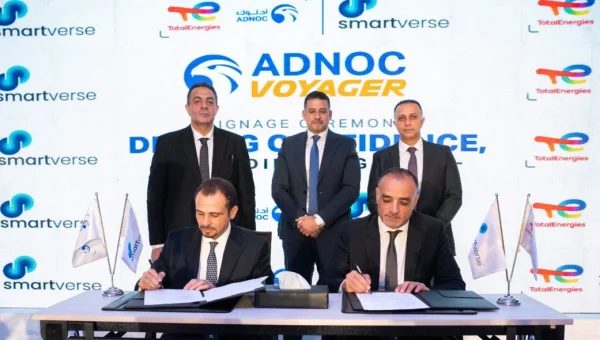
TotalEnergies Adnoc Signs 5-Year Distribution Deal with SmartForce for Adnoc Voyager Lubricants in Egypt
TotalEnergies Adnoc Marketing has signed a strategic five-year distribution agreement with SmartForce Group to boost Adnoc Voyager lubricants in Egypt. The partnership includes joint marketing activities, distribution support, and customer…

