

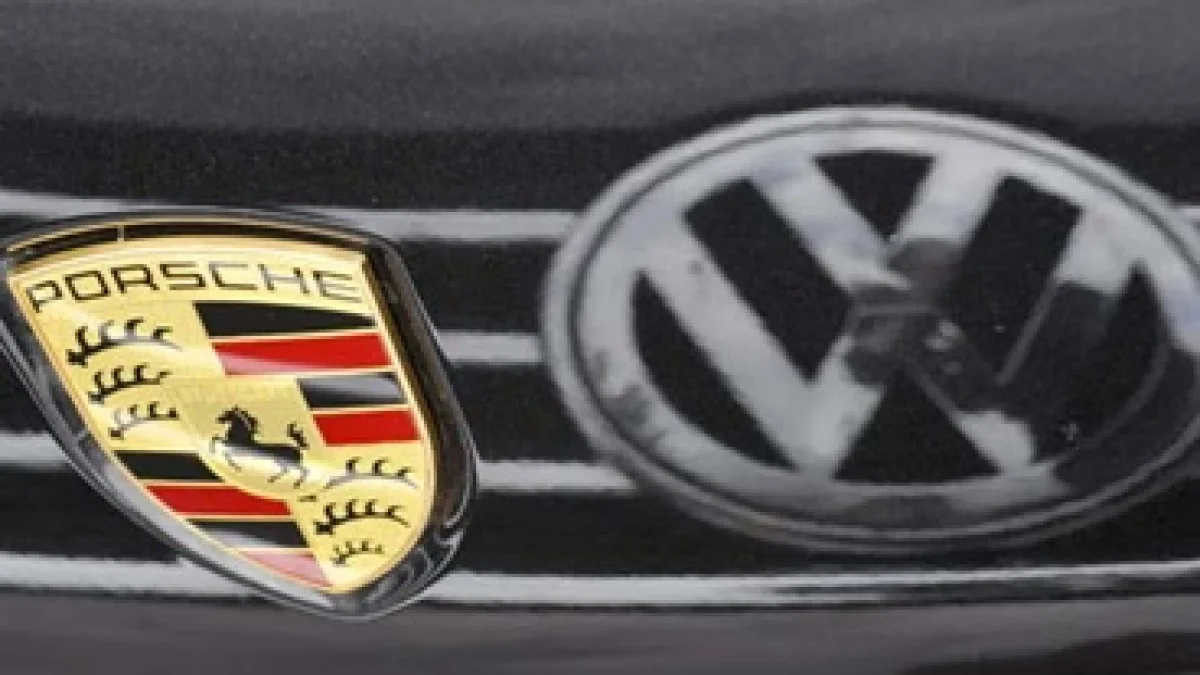
Volkswagen Ends Autonomous Driving Partnership with Bosch After €1.5 Billion Loss
Volkswagen is set to terminate its partnership with Bosch in the field of autonomous driving technology development, as part of a broader strategy to cut costs and enhance the company's competitiveness in the smart vehicle segment. This decision comes at a time when global automakers face mounting pressure to accelerate software development and intelligent driving technologies while simultaneously controlling expenses, amid fierce competition from Chinese manufacturers and technology giants.
A Partnership That Fell Short of Expectations
According to informed sources, the partnership that began in 2022 between Bosch and Cariad, the software unit of the Volkswagen Group, aimed to develop advanced driver-assistance and autonomous driving software for use across the group's brands. Despite substantial investments estimated at around €1.5 billion, the project failed to deliver the anticipated results. Internal evaluations concluded that the technology developed under this partnership still lagged behind the required competitive level in the market.
Volkswagen's Software Transformation Challenges
This move highlights the significant challenges Volkswagen faces in its software transformation and autonomous driving systems development, a critical area in the global automotive competition. As the industry gradually shifts focus from traditional engines and manufacturing to in-vehicle software and digital services, the German group finds itself compelled to reassess its strategies to avoid falling behind in the race for smart technologies.
According to reports, the partnership with Bosch will be terminated in accordance with the contractual terms agreed upon by both parties. This means Volkswagen will increasingly rely on its internal efforts or seek new partners to develop autonomous driving technologies. The decision comes amid growing dominance of Chinese companies such as Baidu and Huawei in the intelligent driving systems market, along with advances from companies like Tesla in this field.
German reports suggest that Volkswagen may redirect its investments toward developing more efficient internal software platforms, rather than relying on external partnerships that failed to deliver the required returns. Analysts believe this step may be necessary to maintain the group's competitiveness in the electric and smart vehicle market, but it simultaneously places additional pressure on the company to accelerate the pace of internal innovation.
Related News
View All News
Audi CEO Faces Backlash After Appearing with Trump at Georgia Rally
Audi CEO Gernot Döllner is under fire from Germany's IG Metall union after appearing with Donald Trump at a Georgia campaign rally. The event included a $4 billion investment plan…
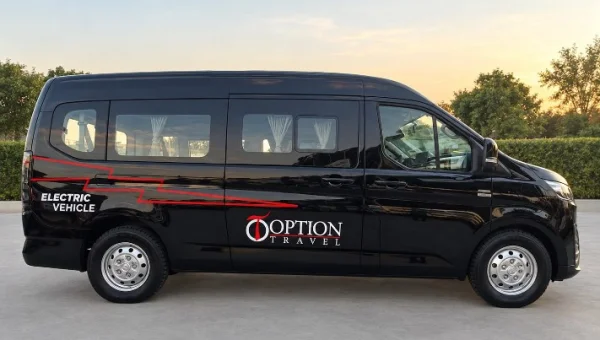
Option Travel Expands Fleet with 32 Foton Electric Minibuses to Boost Sustainable Tourism Transport in Egypt
Option Travel announced the addition of 32 Foton electric minibuses to its fleet to support sustainable tourism transport in Egypt. The move is part of the company's strategy to expand…
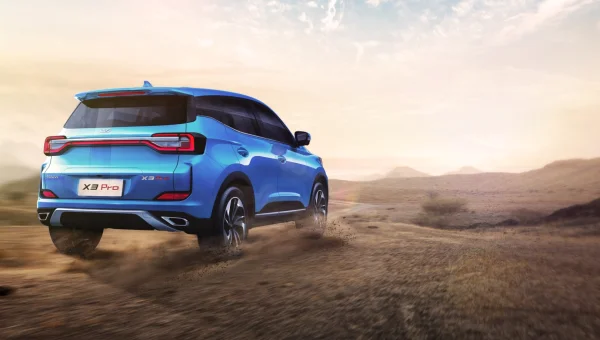
Kaiyi Motors Egypt Expands with 9 New Showrooms and Service Centers
Kaiyi Motors Egypt has revealed an expansion plan to open 9 showrooms and service centers across Cairo, Suez, Mansoura, Alexandria and 6th of October City until March 2027. The plan…
Kaiyi Egypt Sets Price Policy: Hold Until End of October, Possible Increase in November
Kaiyi Motors Egypt has announced a pricing policy aimed at stability despite dollar fluctuations. The company will not raise prices with every increase but may reprice in November if the…
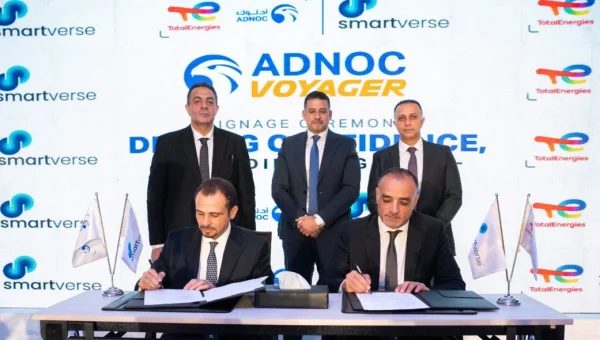
TotalEnergies Adnoc Signs 5-Year Distribution Deal with SmartForce for Adnoc Voyager Lubricants in Egypt
TotalEnergies Adnoc Marketing has signed a strategic five-year distribution agreement with SmartForce Group to boost Adnoc Voyager lubricants in Egypt. The partnership includes joint marketing activities, distribution support, and customer…

